Massage Therapy · Gatineau
Lymphatic Drainage Massage in Gatineau: Benefits, Technique & Who It's For
· Olha Shelest
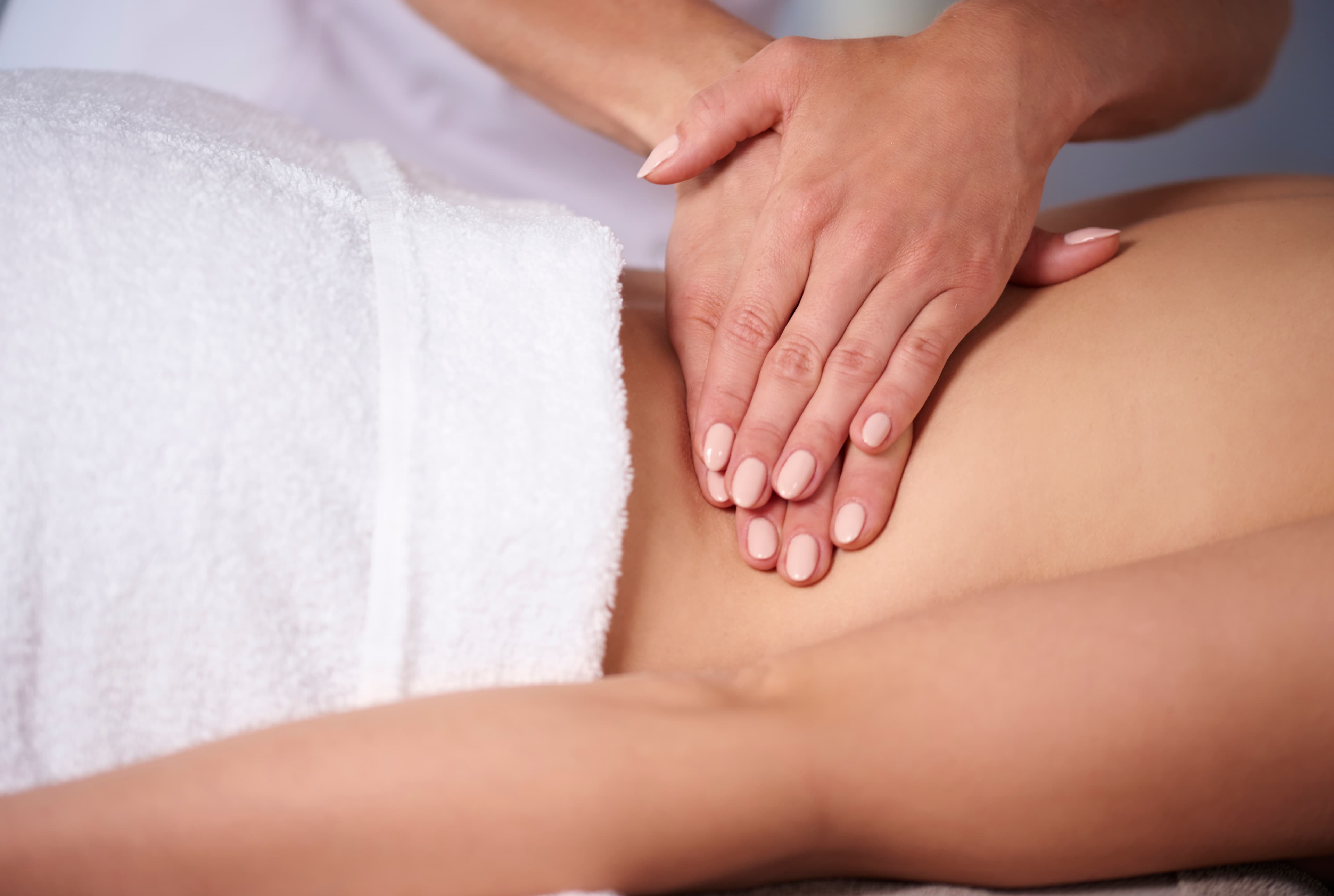
Lymphatic drainage is one of the gentlest and most targeted massage techniques available — yet its effects on swelling, recovery, and immune function can be profound. Here is what it does, how it differs from other massage types, and whether it is right for you.
What Is Lymphatic Drainage Massage?
Lymphatic drainage massage — formally known as manual lymphatic drainage (MLD) — is a specialized technique that uses very light, rhythmic strokes to stimulate the flow of lymph fluid through the body. Unlike deep tissue or Swedish massage, there is no pressure on muscles. The work is almost entirely at the skin level, using gentle circular and pumping movements that follow the direction of the lymphatic vessels.
The lymphatic system is a network of vessels and nodes that runs parallel to the circulatory system. It carries lymph fluid — a clear liquid that contains white blood cells, proteins, and waste products — away from tissues and back into the bloodstream for filtering. When lymph flow slows or becomes congested, fluid accumulates in tissues, the immune response weakens, and the body's ability to clear metabolic waste is reduced.
Stimulating lymph flow manually encourages the system to work more efficiently, reducing fluid accumulation and supporting the body's natural detoxification and immune processes.
Key Benefits of Lymphatic Drainage
Reduction in swelling and edema is the most immediate and visible benefit. When lymph fluid accumulates in limbs or tissues — whether from injury, surgery, prolonged sitting, or a sluggish lymphatic system — targeted drainage techniques can substantially reduce that buildup within a single session. Clients who experience puffy ankles or legs after long flights or desk days often notice relief quickly.
Faster post-surgical recovery is one of the most evidence-supported applications of MLD. After procedures such as liposuction, abdominoplasty, orthopedic surgery, or mastectomy, the lymphatic system is disrupted and fluid can pool in surrounding tissue. Gentle drainage helps clear this accumulation, reduces bruising, and supports tissue healing. Many plastic surgeons and orthopedic specialists recommend MLD as part of their post-operative care protocols.
Immune support is a longer-term benefit. The lymphatic system is central to immune function — lymph nodes filter pathogens and produce lymphocytes. When lymph circulation is optimized, the immune system has better access to the tissues it needs to protect. Regular lymphatic massage is used by some clients as a preventive measure during high-stress periods or seasonal transitions when illness risk rises.
Stress reduction and nervous system regulation are secondary benefits that many clients report. The extremely light touch of MLD activates the parasympathetic nervous system — the rest-and-digest state — in a way that deeper techniques do not. Sessions often feel deeply calming and are used by clients with heightened anxiety, burnout, or chronic fatigue alongside their primary therapeutic goals.
How Lymphatic Drainage Differs from Regular Massage
The most striking difference is pressure. Standard massage techniques — Swedish, deep tissue, sports massage — apply moderate to firm pressure to muscles and connective tissue. Lymphatic drainage uses almost no pressure at all. The movements are so light that first-time recipients sometimes wonder whether anything is happening. This is intentional: the lymphatic vessels sit just below the skin surface and respond best to gentle, rhythmic stimulation. Heavy pressure actually compresses the vessels and impedes flow.
The direction of strokes is also specific and non-negotiable. Lymph flows in a fixed anatomical pattern — always toward the lymph node clusters near the neck, armpits, and groin. Every stroke in a proper MLD session follows these pathways precisely. A therapist working randomly across the body will not achieve meaningful lymphatic effects regardless of how light the touch is.
Session goals differ as well. Regular massage primarily addresses muscle tension, pain, and mobility. Lymphatic drainage addresses fluid dynamics, immune function, and systemic inflammation. The two approaches can complement each other within a treatment plan, but they serve different purposes and are not interchangeable.
Who Benefits Most from Lymphatic Drainage Massage?
Post-surgical clients are the most common referral population. If you have recently had cosmetic surgery, cancer surgery (particularly involving lymph node removal), joint replacement, or any procedure that disrupted lymphatic tissue, MLD is likely to accelerate your recovery and reduce post-operative swelling. Your surgeon may have already recommended it — if not, it is worth asking.
People with chronic swelling or lymphedema — a condition where the lymphatic system is persistently impaired — use MLD as an ongoing management tool. Lymphedema can result from cancer treatment, infection, trauma, or be present from birth. For these clients, regular drainage sessions combined with compression garments form the cornerstone of long-term management.
Active individuals and athletes use lymphatic drainage for recovery. After intense training blocks, competitions, or injury, the lymphatic system plays a key role in clearing metabolic byproducts from muscle tissue. MLD sessions in the 24-48 hours following heavy exertion can reduce soreness and support faster readiness for the next training session.
Anyone experiencing low-grade fatigue, frequent illness, or a sense of sluggishness that standard rest does not resolve may find lymphatic drainage sessions beneficial as a periodic reset. Clients in high-stress professional environments in the National Capital Region — particularly those working sedentary desk jobs — are a common profile for this kind of preventive use.
What to Expect During a Lymphatic Drainage Session
You will lie comfortably on the massage table, draped as with any standard session. The therapist will begin at the lymph node clusters — typically the neck and collarbone area — to 'open' the drainage pathways before working on peripheral areas. Strokes are extremely light: rhythmic, circular, and slow. There is no discomfort.
A session typically lasts 60 to 90 minutes depending on the area of focus and your goals. Full-body lymphatic work takes longer; targeted post-surgical work on a specific area can be shorter. You may feel a gentle sense of warmth or movement in the tissues as lymph begins to flow more freely.
After the session, drinking plenty of water supports continued lymphatic movement and clearance. Some clients feel briefly tired as their body processes the shift in fluid dynamics — this passes within a few hours and is followed by a noticeable sense of lightness. Frequency depends on your condition: post-surgical clients may need sessions every few days initially; preventive clients may benefit from monthly sessions.
Contraindications: When to Avoid Lymphatic Drainage
Lymphatic drainage is one of the safest massage modalities available, but there are situations where it should not be performed or requires medical clearance first. Active infection or acute inflammation is the primary contraindication — stimulating lymph flow during an active infection can spread pathogens through the lymphatic system. If you have a fever, localized infection, or inflammatory flare, the session should be postponed.
Congestive heart failure, kidney failure, and blood clots (deep vein thrombosis) are medical contraindications that require physician clearance before any lymphatic work. In these cases, the body cannot safely process an increase in fluid mobilization. Your therapist will ask about your medical history before proceeding.
If you are undergoing active cancer treatment, consult your oncologist before booking. While MLD is commonly used in oncology rehabilitation, the timing relative to chemotherapy or radiation cycles matters and should be guided by your treatment team.
FAQ
Frequently Asked Questions
- No — lymphatic drainage is one of the most gentle massage techniques available. The pressure used is extremely light, working primarily at the skin surface rather than on muscles. Most clients find it deeply relaxing rather than intense. If you experience any discomfort during a session, your therapist should know immediately so the approach can be adjusted.
- It depends on your goals. For acute post-surgical swelling, clients often notice significant improvement after just one or two sessions. For chronic conditions like lymphedema, ongoing sessions are part of a long-term management plan. For general wellness or preventive use, a monthly session is a reasonable maintenance frequency. Your therapist can recommend a plan based on your specific situation during the first session.
- Some clients with post-COVID fatigue or lingering systemic inflammation have reported improvement with lymphatic drainage as part of a broader recovery approach. The mechanism — reducing systemic inflammation and supporting immune regulation — aligns with some of the challenges involved in post-viral recovery. However, this should be discussed with your physician first, particularly if you have active cardiac or respiratory concerns.
- Lymphatic drainage performed by an AMQ-registered massage therapist is covered under most Canadian group insurance plans that include massage therapy benefits. The same AMQ receipt that applies to other massage sessions is issued. If your plan covers massage therapy (which most employer group plans do), lymphatic drainage sessions with an AMQ member are typically eligible for reimbursement under the same benefit limit.
Is lymphatic drainage massage painful?
How many sessions are needed to see results?
Can lymphatic drainage help with post-COVID fatigue or long COVID symptoms?
Is lymphatic drainage covered by insurance in Quebec?
Olha Shelest offers therapeutic massage including lymphatic drainage techniques at her Gatineau practice. Every session is tailored to your specific needs.
Book a Session