Sports Recovery · Gatineau
Deep Tissue Massage for Runners and Athletes in Gatineau
· Olha Shelest
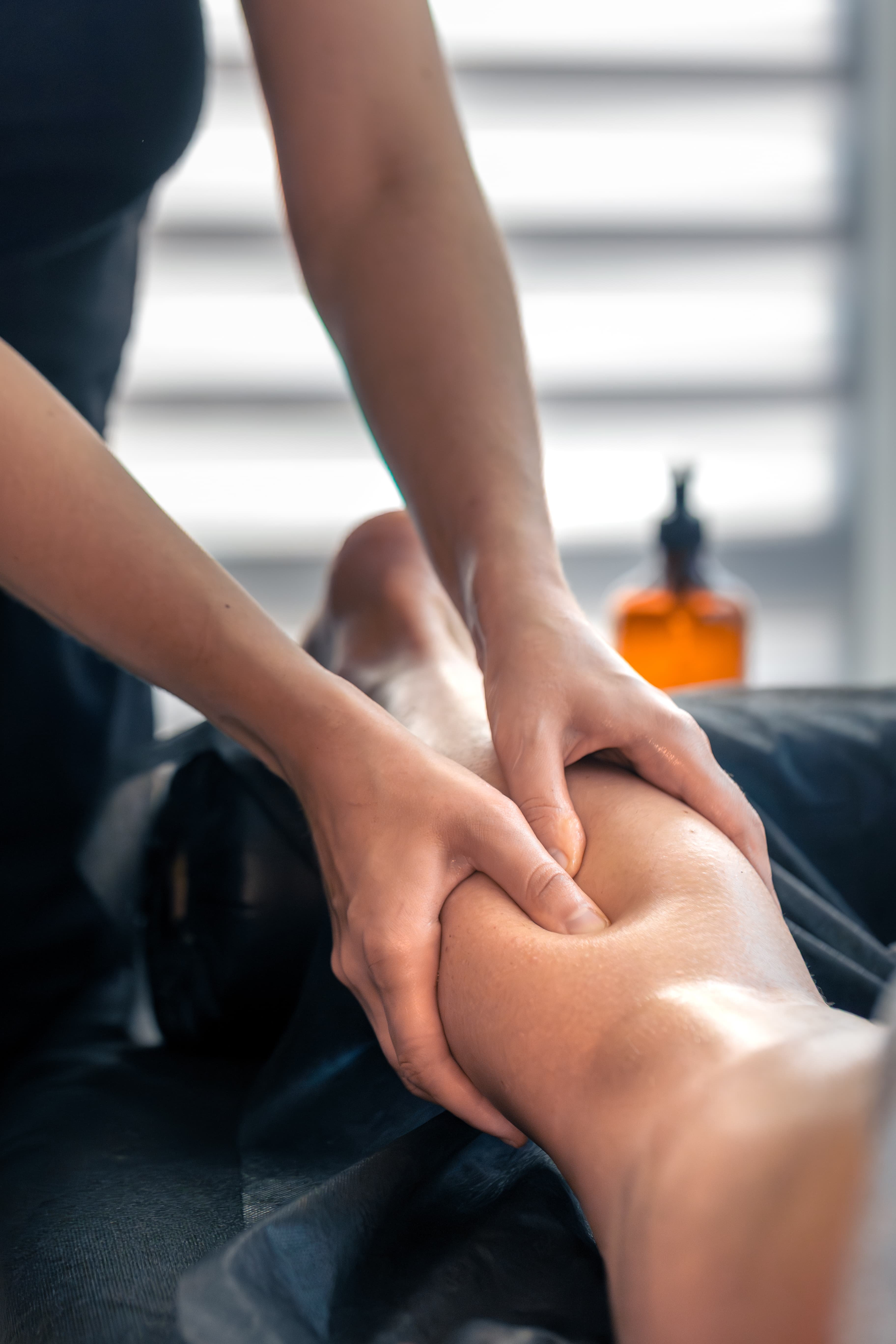
Spring is running season in the National Capital Region. Whether you're training for Ottawa Race Weekend, logging trail kilometres in Parc de la Gatineau, or pushing through your first half-marathon, your muscles have a lot to say. Deep tissue massage is one of the most effective recovery tools available — and it's just across the river.
The Outaouais Running Community and Ottawa Race Weekend
Ottawa Race Weekend, held each May, draws thousands of runners from across Canada and beyond. Many live and train on the Gatineau side — in Hull, Aylmer, and the broader Outaouais region — crossing the river daily for work and training. Parc de la Gatineau offers some of the best trail running in the National Capital Region, used year-round by a dedicated community of athletes.
With high training loads come tight IT bands, sore calves, and the familiar ache of overworked legs. Deep tissue massage is not a luxury for this community — it is part of a serious training plan.
Why Deep Tissue Massage Helps Runners
Running is repetitive by nature. The same muscle groups fire in the same patterns, kilometre after kilometre, until adhesions form in the fascia — bands of fibrous tissue that restrict movement and cause pain. Deep tissue massage uses slow, firm strokes to reach these deeper layers of muscle and connective tissue, breaking up adhesions and restoring normal tissue function.
Common runner complaints that respond well to deep tissue work include iliotibial (IT) band syndrome, plantar fasciitis, tight hip flexors, calf and hamstring tension, and piriformis syndrome. Regular massage does not just treat these problems after they appear — it can prevent them from developing in the first place.
Beyond the mechanical benefits, massage reduces cortisol (the stress hormone) and increases blood circulation to fatigued muscles, accelerating the clearance of metabolic waste products produced during intense training.
Before the Race or After? When to Book
Timing matters. A deep tissue massage performed too close to a race can leave muscles feeling temporarily fatigued or sore — the last thing you want at the start line. The general guideline: book a deep tissue session 5 to 7 days before a major race, and a lighter relaxation massage 2 to 3 days before if you want one closer to race day.
Post-race is where deep tissue work delivers the most benefit. Wait at least 48 hours after a hard effort before booking — your muscles need a brief window of rest before deep work is productive. A session 3 to 5 days post-race can significantly accelerate recovery and prepare you for the next training block.
How Often Should Runners Book?
Frequency depends on your training volume and intensity. During base-building phases with moderate mileage, one session per month is a good maintenance baseline. As you ramp up for a goal race, biweekly sessions help manage cumulative fatigue. During peak training weeks, some athletes benefit from weekly sessions.
Consistent, regular massage is far more effective than occasional rescue sessions when something hurts. Think of it as maintenance rather than treatment.
Deep Tissue vs Sports Massage — What's the Difference?
These terms are often used interchangeably, but there is a distinction. Deep tissue massage refers to the technique: slow, firm pressure targeting deeper layers of muscle and connective tissue. Sports massage is more of a context — massage applied before, during, or after athletic performance, which may include deep tissue work, stretching, or lighter recovery techniques depending on the phase.
For most runners in training — not immediately pre- or post-competition — deep tissue massage is the most appropriate modality. Your therapist will adapt the pressure and approach based on where you are in your training cycle.
FAQ
Frequently Asked Questions
- Deep tissue work involves more pressure than a relaxation massage, but it should never be sharply painful or unbearable. Most clients describe it as productive discomfort — you can feel the work happening, but it stays within a tolerable range. Communication is key: always tell your therapist if the pressure is too much, and a good therapist will adjust immediately. Some clients experience mild soreness for 24 to 48 hours after a session, similar to post-workout soreness, which resolves quickly.
- Plan your last deep tissue session 5 to 7 days before your race. This gives your muscles enough time to recover from any temporary post-massage soreness and feel fully ready at the start line. If you want a massage closer to race day, opt for a lighter relaxation session 2 to 3 days before — not deep tissue.
- Yes, in most cases. As an AMQ-registered massage therapist, Olha provides official receipts accepted by most Canadian group insurance plans and federal employee benefit programs, including PSHCP. The receipt covers the session regardless of whether it is described as therapeutic, deep tissue, or sports massage. No doctor's referral is required.
- Mild soreness for 24 to 48 hours after a deep tissue session is normal and common, especially if it is your first session or if a particularly tight area was addressed. Drink extra water and avoid intense training on the day of your massage. The soreness resolves quickly and is generally followed by noticeably improved range of motion and reduced tension.
Is deep tissue massage painful?
How long before a race should I get a deep tissue massage?
Is sports massage covered by insurance?
Will I be sore after a deep tissue massage?
Train harder, recover smarter. Book a deep tissue session with Olha Shelest, AMQ-registered massage therapist in Gatineau.
Book Your Recovery Session